VoltEdge Grid is a premium electricity distribution website concept with smart substations, feeder health monitoring, outage restoration, renewable energy integration, billing experience, and customer support sections.
Live Load Frequency • 50.02 Hz

These sections are redesigned for electricity distribution, not generic dashboard cards.
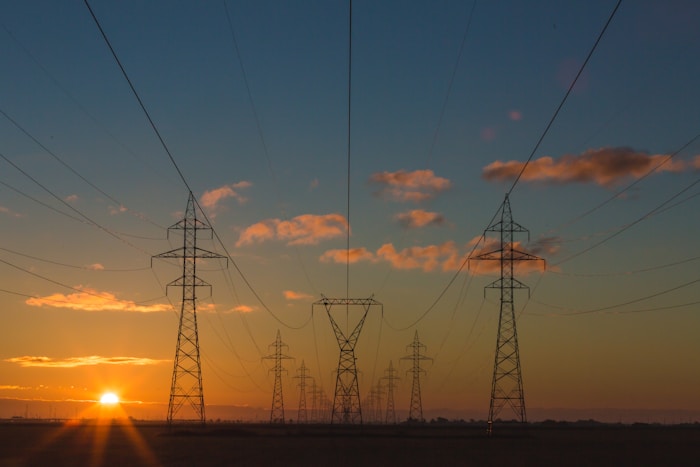
Monitor overhead lines, underground cables, feeders, and sectionalizers.
Automated meter reading, demand analytics, prepaid support, and usage alerts.
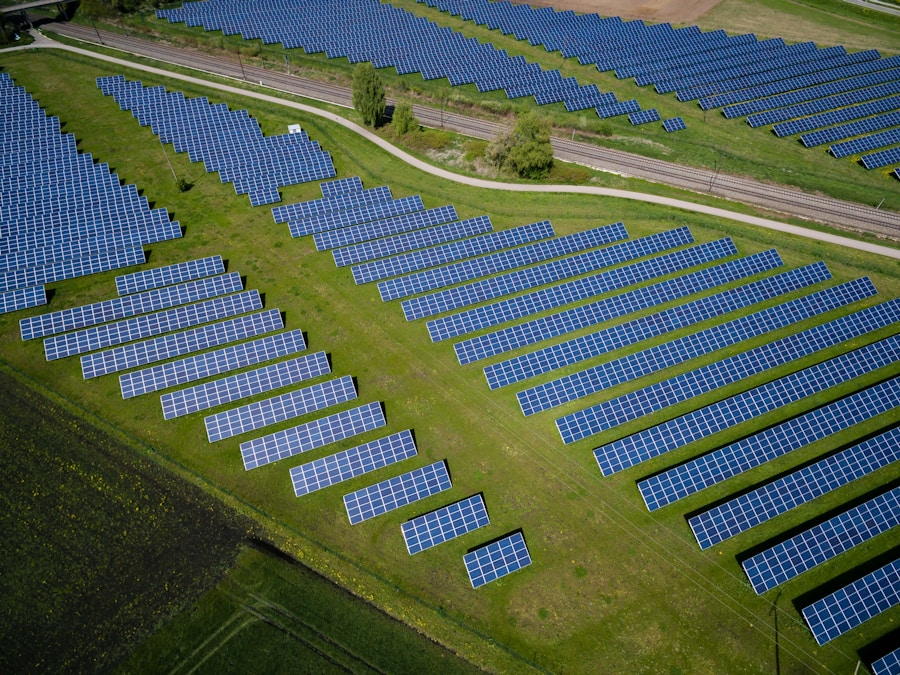
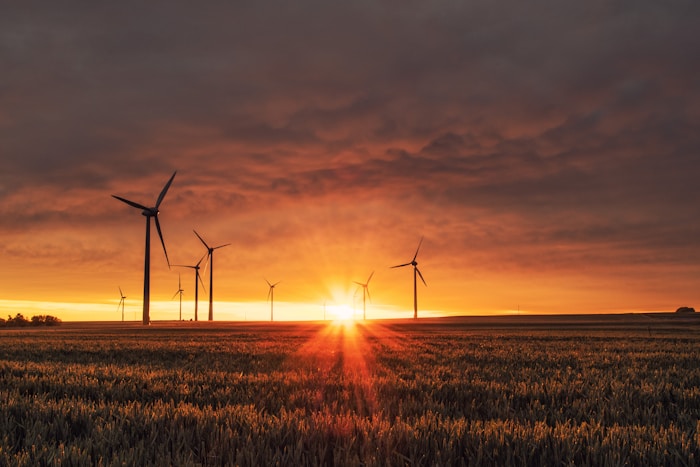
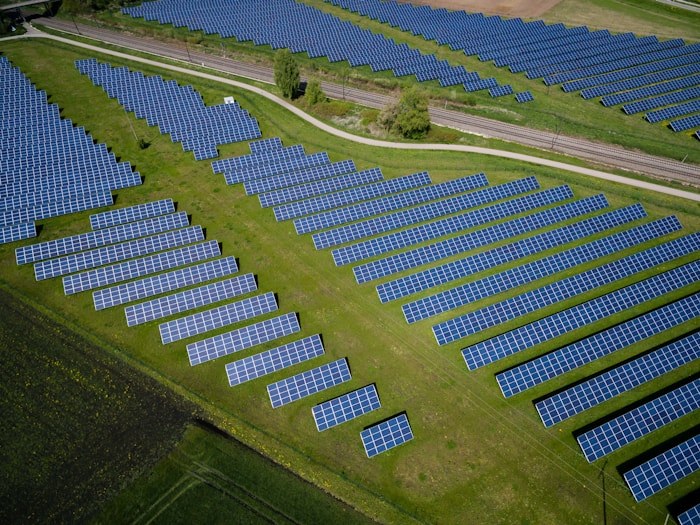
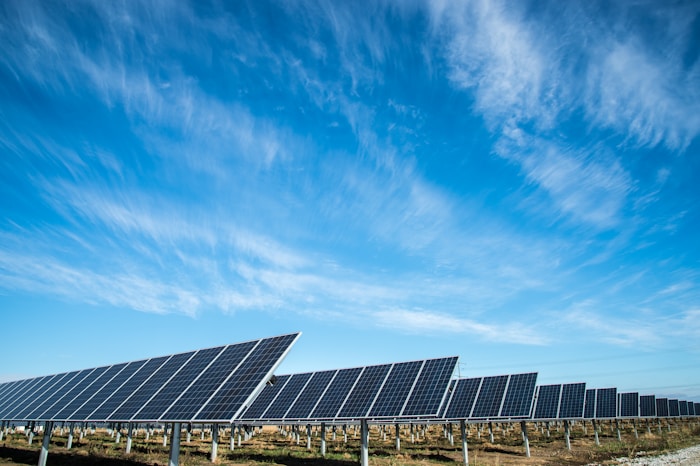
Solar, wind, hydro, and distributed generation balancing for cleaner electricity.
Temperature, load, oil level, and maintenance monitoring for transformer assets.
Dedicated high-load service for factories, plants, data centers, and campuses.
New connection, complaint tracking, bill payment, outage status, and support.
A redesigned electricity-specific dashboard with feeders, loads, voltage alerts, and health score.
Residential zone load stable. Voltage 230V average.
Commercial district operating within safe limits.
Industrial demand high. Load balancing recommended.
Rural feeder normal with renewable backfeed detected.
Temperature below warning threshold.
Frequency stable across monitored nodes.
Network condition is healthy. One industrial feeder needs balancing during peak evening demand.
Sector 14 feeder dip detected
T9 cooling fan cycle started
Industrial zone near 91%
Dedicated power-generation mix section makes the website feel more like an electricity distribution portal.
Balanced grid sourcing from solar, hydro, wind, thermal, and backup plants.
This flow explains the exact electricity distribution response process.
Smart meters and relays identify outage area.
Control room narrows fault section.
Faulted feeder is separated safely.
Field crew receives work order.
Supply is normalized and customers updated.
A more useful customer-side electricity section with bill summary and slab-style usage UI.
Customers can view usage history, download PDF bills, apply for new connections, and report meter issues.
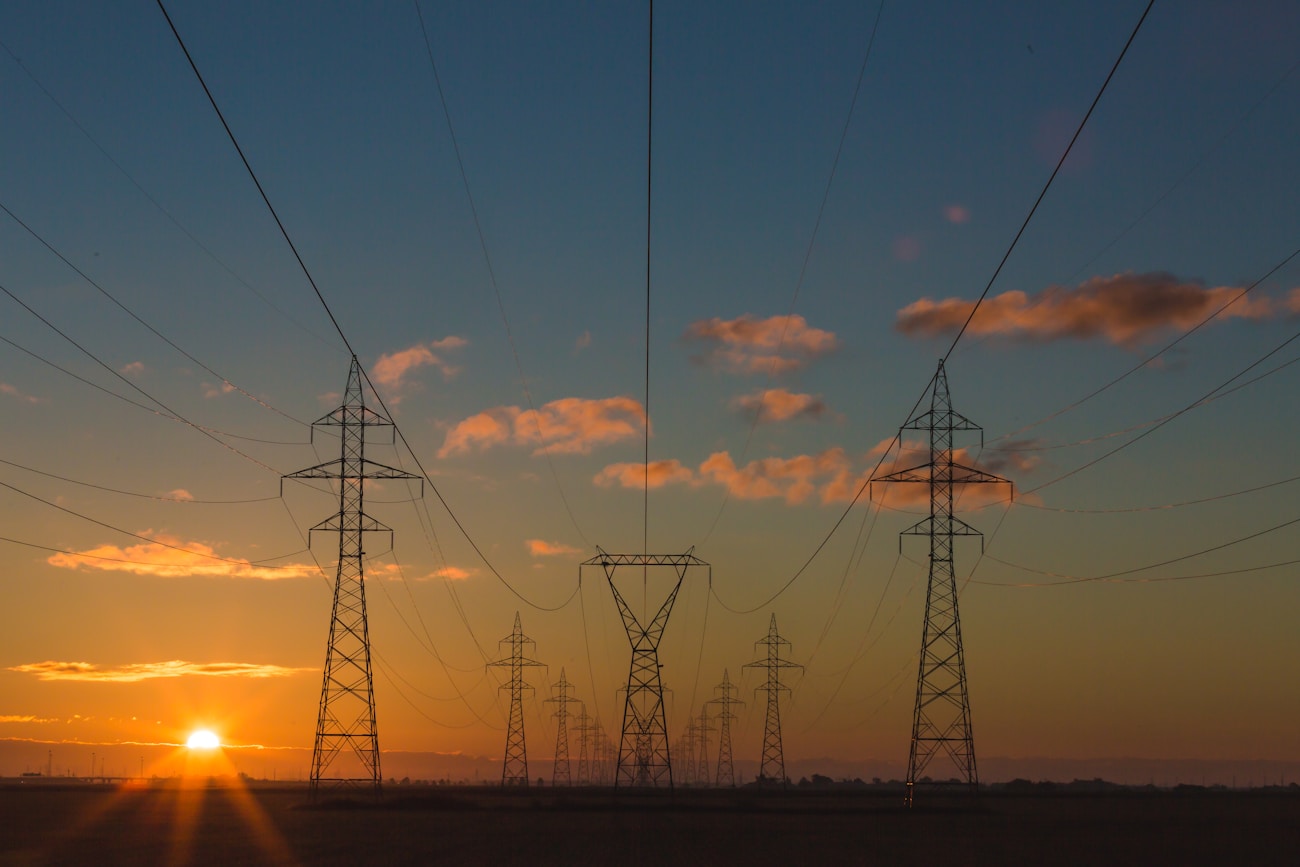
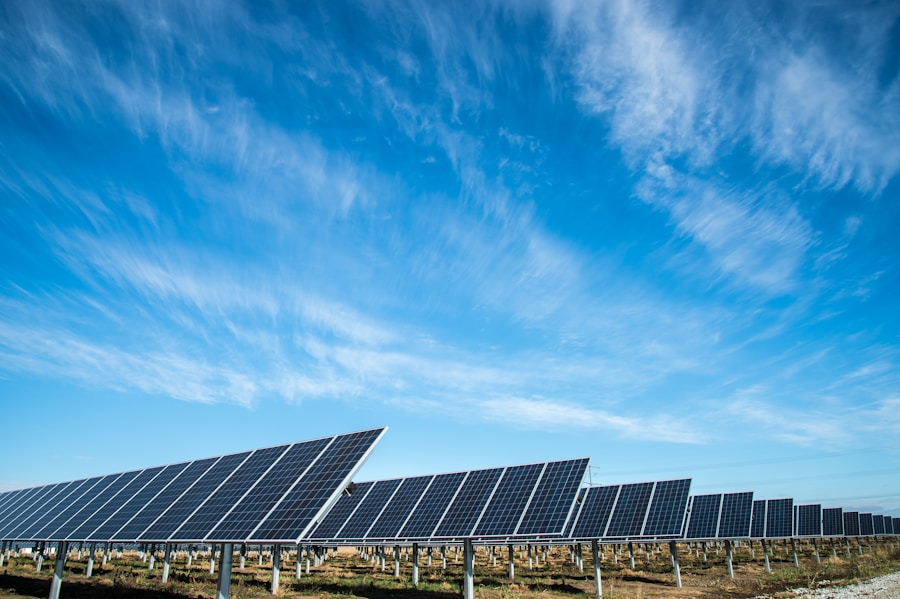
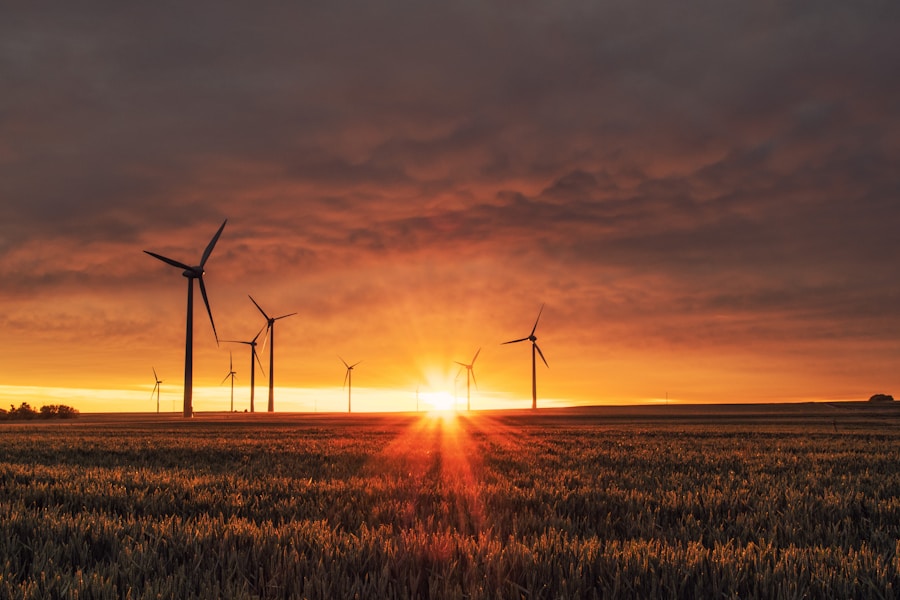
More relatable images for power lines, solar fields, substations, and electrical infrastructure.
Connected Consumers
Active Feeders
MW Peak Demand
% Service Reliability
They can report through the portal, SMS, helpline, or mobile app. Smart meters can also automatically notify the control room.
A smart meter records electricity usage digitally and can send readings automatically for faster, more accurate billing.
It shifts demand across feeders or substations to prevent overloads and maintain stable supply during peak hours.
Yes, solar and other distributed generation sources can connect through approved net-metering and grid-synchronization processes.
This improved electricity distribution design includes a better navbar, substation control room, feeder monitoring, outage restoration, energy mix, billing portal, infrastructure gallery, stats, FAQs, dark/light mode, and responsive animations in one single HTML file.
Start New Connection →